 Claudia Moscovici
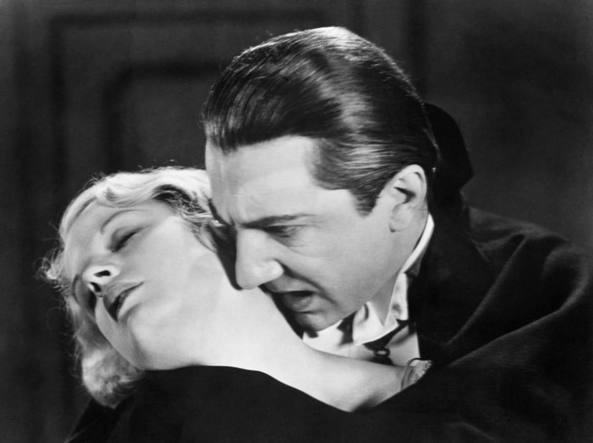
My native country, Romania, is best known for a fictional character, Dracula, which is only loosely based on a historical fact: the infamous legend of Vlad Tepes. Novels that draw upon this legend—ranging from Anne Rice’s genre fiction, to the popular Twilight series, to Elizabeth Kostova’s erudite The Historian—continue to be best sellers. Yet, ultimately, no matter how much they may thrill us, the “undead” vampires we encounter in novels are harmless fictional characters that play upon our fascination with evil. However, real-life vampires, or individuals who relish destroying the lives of others, do exist. We see them constantly featured in the news and, if we don’t know how to recognize them, sometimes we even welcome them into our lives.
What do O. J. Simpson, Scott Peterson, Neil Entwistle and the timeless seducers of literature epitomized by the figures of Don Juan and Casanova have in common? They are charming, charismatic, glib and seductive men who also embody some of the most dangerous human qualities: a breathtaking callousness, shallowness of emotion and the fundamental incapacity to love. To such men, other people, including their own family members, friends and lovers, are mere objects or pawns to be used for their own gratification and sometimes quite literally discarded when no longer useful or exciting. In other words, these men are psychopaths.
If there’s one thing helpful to learn from psychology it’s the dangerous characteristics of these social predators, so that we can recognize them more easily and avoid them whenever possible. By definition, a predator is “one that preys, destroys or devours.” Not exactly boyfriend or spouse material, yet psychopaths manage to lure numerous partners into their nets. Most of us are used to hearing the largely interchangeable terms “psychopath” and “sociopath” applied only to serial killers such as Ted Bundy or to murderers such as Scott Peterson. These men made national headlines for remorselessly killing strangers or family members. However, as Robert D. Hare documents in Without Conscience, only a very small percentage of psychopaths actually murder. Whether or not they do is not what makes them psychopathic or dangerous to others. Most psychopaths wreak havoc in our daily lives in more subtle yet sometimes equally destructive “sub-criminal” ways. They may engage in a pattern of deception and betrayal, an endless string of seductions, emotional and psychological abuse of their loved ones, domestic violence or the financial exploitation of others.
As lovefraud.com, the website started by Donna Andersen to help victims indicates, psychopaths are exceptionally selfish individuals who lack empathy. Consequently, they’re incapable of forming real love bonds with others. They establish instead dominance bonds, claiming possession of those closest to them rather than genuinely caring for family members, lovers and friends. Their top goal is control, their principal weapon is deceit and their main means is seduction: sometimes physical, but most often psychological in nature. Moreover, it’s not just the naïve and the gullible that get taken in by them. Anybody can fall prey to the psychopathic charm. As Martha Stout illustrates in The Sociopath Next Door, psychopaths tend to be extremely charismatic. They say all the right things to reel you in. They’re also supremely self-confident, highly sexual, have low impulse control and are amazingly good liars. Like real-life vampires, they feed upon people’s dreams, vulnerabilities and emotions. They move from person to person, always for their personal advantage, no matter under what other-regarding pretext or guise. Only the most notorious cases make it into the news or get profiled by popular shows such as Forensic Files, Cold Case Files and Dateline. But there are millions of psychopaths in this country alone who poison, in one way or another, tens of millions of lives.
Dangerous Liaisons/Legături Periculoase, Editura Vremea, http://www.edituravremea.ro/leg–turi-periculoase–cum-s–recuno–ti-un-psihopat–i-s–scapi-din-mrejele-lui


