 Claudia Moscovici
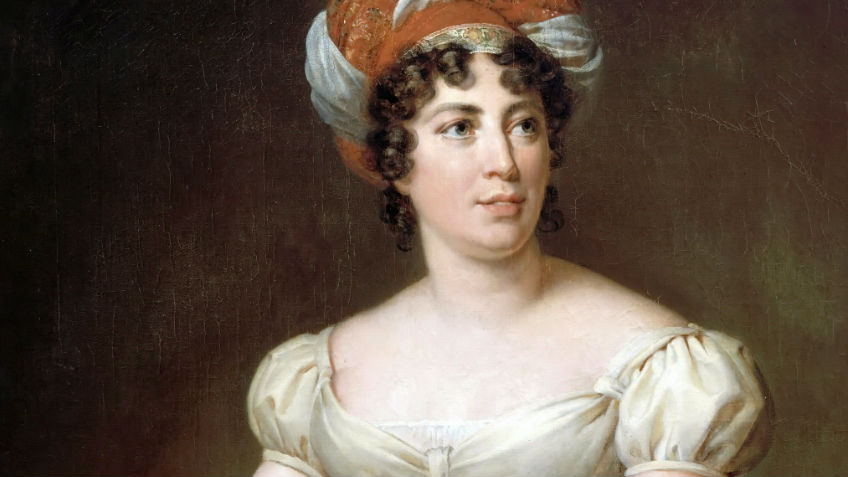
The term ‘Romantic’ was imported to France by Germaine de Staël in De l’Allemagne (1810). Her book of critical essays on German philosophy, literature and society sought to capture the essence of what was new in German culture and how it was radically different from French culture. When Napoleon leafed through the book—having neither the patience nor the time to read it in its entirety—he was not mistaken to detect in it an implicit critique of his regime and of French culture. Nor was such a critique surprising, given that Staël wrote her book during one of her many expulsions from France and based it upon the notes she took during her stay in Germany. If Stäel was drawn to German society and culture, it was not only because of her political dissatisfaction with the Napoleonic regime and her warm reception by some German intellectuals and the high court. What captivated her most about German Romanticism was the way it provided an appealing alternative to French theories of knowledge, including empiricism and rationalism, which she felt had permeated and corrupted French society and culture. Staël was drawn to Romanticism’s questioning of our ability to arrive at truth by means of reason or observation alone, and appreciated the value it placed upon intuition, other-regarding emotions, religion, fantasy and dreams.
Some German intellectuals, including Goethe—whom Staël met, befriended and wrote about—felt somewhat shortchanged by her general descriptions of their works and of German culture, which, they believed, skipped over nuances to offer superficial, if perceptive, summaries. While this criticism of Staël’s book may be justified, it misses the point of its main goal and merit, which was not so much to describe German art, literature and society faithfully or in great detail as to present Germany as a refreshing cultural alternative to France. In her view, the German Romantics depicted the world not as something to be known and manipulated, but as a marvel to be admired, contemplated and cherished with what she called “enthusiasm.” Several branches of philosophy—including epistemology, ethics and aesthetics—intertwine in this evocative concept, which she does not develop fully, but to which she gives enough force to make Romanticism appealing not only to her contemporaries but also to us.
https://rowman.com/ISBN/9780739116753/Romanticism-and-Postromanticism
(sursa foto: britannica.com)


