 Carmen Firan
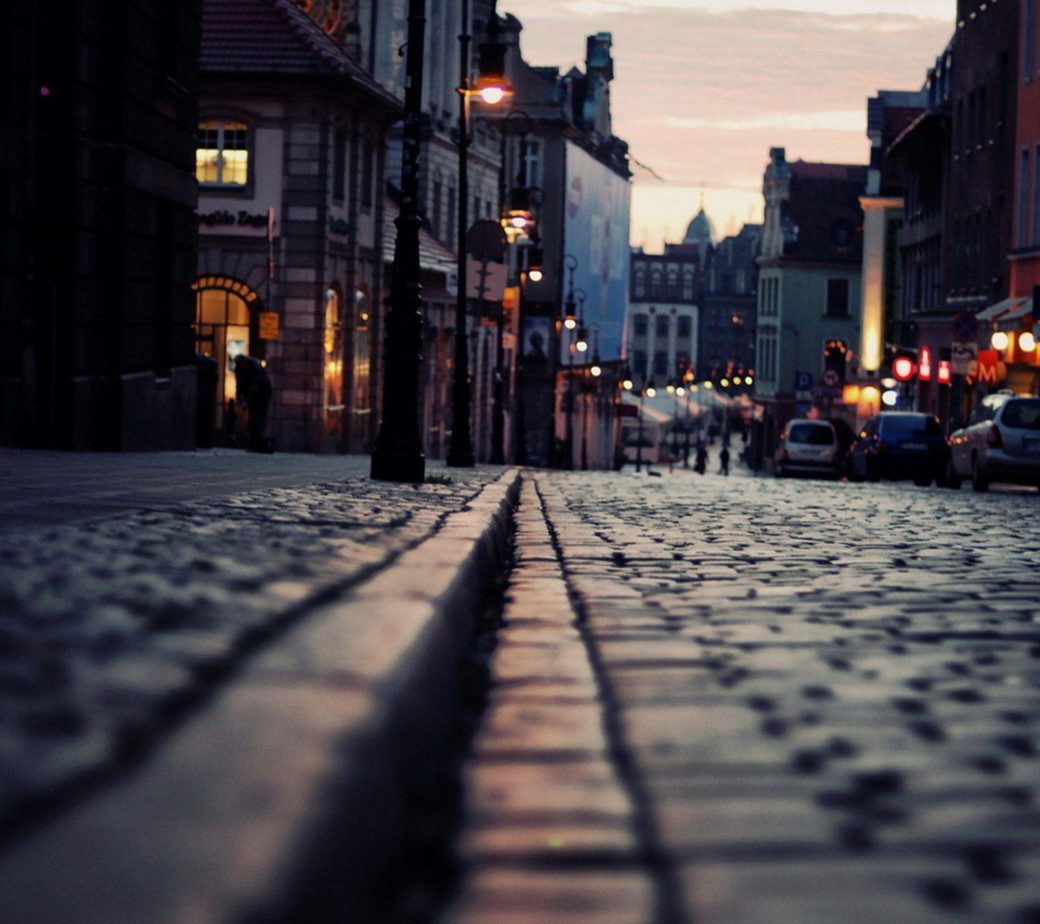
Sipping my morning coffee. Fall is just around the corner, but not quite there yet. The sparrows have gone berserk, flinging from one branch to another, chirping madly away. They are, after all, the strongest and most adaptable of birds, having landed in America about the same time as the first settlers.
It is Sabbath, and the neighbors to our right, Bukharan immigrants from Uzbekistan, dressed-up in long black coats, are on their way to synagogue, the man leading the way, the woman following behind.
The Pakistanis from across the street are on their way to a mosque in a different, wrapped-up attire, the man leading the way, the woman following behind. Our young Israeli neighbors do not go anywhere; they throw a party that by sunset will reek of weed and we, yet again, will pretend that a skunk got lost in our neighborhood.
The Chinese family next door recently celebrated their New Year, the year of the controversial Monkey—who will guide all of our destinies in 2016 through unpredictable and incendiary actions. At least that’s what they say. Their windows are forever shut, nothing exposed to the outside world. The wife, born in Hong Kong, carries a small umbrella in the summer, to protect herself from the sun. We have never seen her face. Her husband—who is never around—owns a Japanese restaurant in Manhattan. Yes, a Japanese restaurant. He leaves early and returns late at night. I would call them good, quiet neighbors, almost invisible.
The neighbor to our left is German, married to an Armenian. She cleans her yard with strong sweeps, while mumbling about the lack of discipline displayed by the kids next door who spit their chewing gum wherever they want and throw candy wrappers in the flower bushes. If you greet her she will answer saying Europe is going to the dogs and, as for her, so should Madam Merkel, along with all her refugees.
A tall, blond Polish woman, the cleaning lady for a Russian family, has the day off and has decided to bike her way to Forrest Park.
The Hungarians who live on the corner, good Roman-Catholics, leave for the mass. The man leading the way, the woman following behind. The man walks tall, wearing a green baseball cap resembling Trump’s, whom he supports for president. Two Mexicans are fixing their roof, samba music coming from a cell phone. They work for a company owned by an Albanian. The owner is a licensed contractor, while his Mexicans work off the books, off the grid. If Trump has his way, the two Mexicans and others like them, will be thrown over the wall back to Mexico and abject poverty.
An Indian family lives at the other corner of the street, and a smell of curry wafts into the street; a cat naps on the front steps; a white, late model Mercedes sits in the driveway, while in the backyard a stone shrine protects the home.
Our ethnic neighborhood, where the Oriental aromas mix with the East-European air, will soon have a new neighbor: a Romanian-born writer who has relocated from the Ozark Mountains of Arkansas. We promise to welcome him with stuffed cabbage and grilled minced meat rolls tasting home-made. And, of course, there’s plum brandy, genuine Transylvanian moonshine similar to the one made in Arkansas.
The only American-born around is a heavy-set man married to Croat woman who owns a gallery in Soho, and a stock market agent who is neither womanizer, nor gay, a loner who never looks you in the eye. This guy is a bit strange according to his Filipino cleaning lady, who also cleans for an Indonesian family renting the second floor of a house from a Greek business man, with a visiting Turkish professor at New York University living on the first.
We live well mixed-up like this, each with his accent, customs and nostalgias. We share Colombian gardeners who cut our lawns. We share the same postman: a black man from Tahiti, who dances from house to house delivering the mail, wearing iPod wires safely tucked-into his ears; he hears nothing of the outside world, but nods at you with a friendly smile.
A United Nations of a street, like many others in many big cities on the East or West coast of the United States, or anywhere else in the world for that matter. Globalization wasn’t what necessarily brought us together. Some are refugees from totalitarian societies, others from religious persecutions; some immigrated because of economic or professional reasons, others simply chose to do it hoping for a better life “in pursuit of happiness.” Some people risked their life defecting, leaving everything behind and starting from scratch reinventing themselves in their adopted country; others did hard time in refugee camps before receiving entry visas, living through traumas and sacrifice.
New York wouldn’t have such intensity and dynamics if it weren’t for the immigrants who infuse it with energy and the tonic of diversity. Tolerance: that was the measure of the adventure, of acceptance and adapting into the boiling cauldron of the city, spiced with condiments and seasonings, hopes and illusions, brilliant minds, talents and ideas altogether thrown together. And work. Much work.
“We are a nation of immigrants” is a slogan used by many politicians and leaders in their speeches targeted to gain electoral support and popularity. America always knew how to attract and stimulate talent from all over the world, recognizing it and gaining dedication in exchange. However, there is another side to the immigration’s face. The illegal one, itself multiple-faced. The Mexicans who cross the border illegally and then work off the books at sporadic jobs, being humble, keeping their heads down, with a single goal of being able to send a check back home to their large and hopeless families. They pick crops, work in construction or as dishwashers or night-guards, carry heavy loads, basically do any low-paying job. Nannies and caretakers from Latin America or the Caribbean are dedicated for little money, keeping as much to the shadows as possible, hardly noticeable in big, wealthy mansions. Youngsters who leave their countries out of despair, risk their lives to cross the border, accept any kind of job, no matter how menial or how little pay, without any protection—jobs Americans are not taking any more. Some of them pay income taxes hoping the immigration reform will pass one day and legitimize their status.
As I sip my morning coffee I wonder how many of us, the immigrants of yesterday or today still have compassion and understanding for people who leave their country to escape terror, war or hunger. The world doesn’t seem to belong to us anymore. Not because of the potential invasion of foreigners. It doesn’t belong to us because we are estranging ourselves from it, from one another, from ourselves. We live in a cold world. Technology is more and more efficient, rapacious and more and more detached, out of touch, without communication or compassion. Nothing will be as it used to be, skeptical voices predict. Interesting times are coming, which could also mean dangerous ones. Let’s pull down the blinds, close the shutters.
It’s quiet now on my street. My neighbors go to work, come back home, park their cars and lock themselves in their homes. Inside there are all sorts of gadgets, screens, tablets, iPhones, iPads or iPods keeping them company. Solitude becomes loneliness. Quiet. Only the birds searching for a mate are out there. The world belongs to them.


